
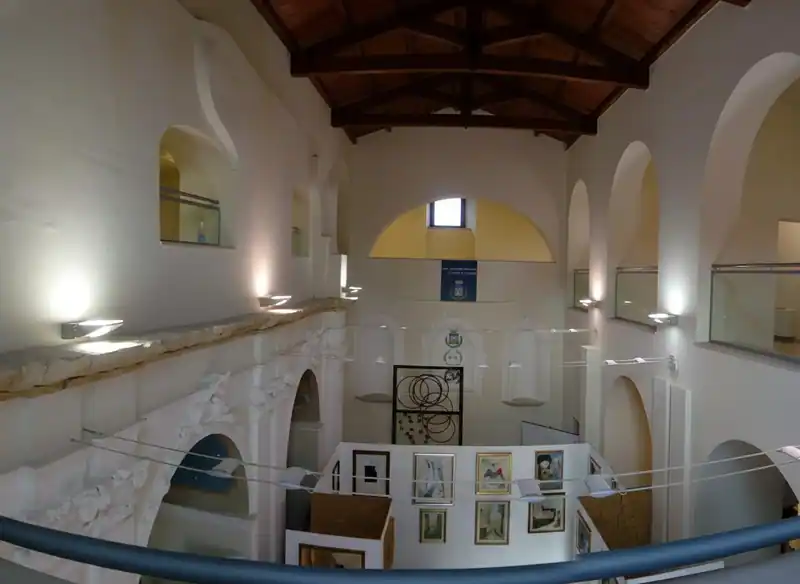
Tucked into the historic heart of San Giovanni Rotondo, the Museo dell'Arte e delle Tradizioni Popolari dottor Michele Capuano opens a window into the daily rhythms, craft traditions, and cultural soul of rural Puglia. This intimate collection celebrates the ingenuity of generations past, showcasing handcrafted tools, woven textiles, and everyday objects that once shaped life in the Gargano foothills. Each artifact whispers stories of resilience, artistry, and community.
A Living Archive of Puglian Heritage
The museum bears the name of Dr. Michele Capuano, a passionate local scholar who dedicated decades to preserving the disappearing material culture of the region. Walking through the rooms feels less like a formal exhibition and more like stepping into a rural masseria frozen in time. You'll encounter wooden plows, ceramic water jugs, lace-making bobbins, and hand-forged ironwork—each piece a testament to the skill and creativity required to survive and thrive in a challenging landscape.
The collection also features traditional costumes embroidered with geometric motifs, their vibrant colors and intricate stitching reflecting the pride families took in feast-day finery. These garments offer a tactile connection to celebrations, pilgrimages, and rituals that once punctuated the agricultural calendar.
The Character of San Giovanni Rotondo
San Giovanni Rotondo is best known as a pilgrimage destination, drawing visitors from around the world to sites connected with Padre Pio. Yet this museum reveals another layer—the town's deep roots in agrarian culture and artisan traditions. Positioned on the slopes of the Gargano massif, the area's limestone terrain, dense forests, and pastoral economy shaped a distinct way of life, different from the coastal fishing villages or the sun-baked plains further south.
Visiting the museum offers a quieter counterpoint to the spiritual sites, grounding your experience in the everyday creativity and labor of ordinary people. It's a chance to understand how faith, work, and community were woven together in this corner of Puglia.
What to Look For and How to Visit
The museum occupies a modest space near Piazza Santa Maria de Mattias, accessible via the charming Vicolo Curvo. Give yourself at least an hour to absorb the details—the patina on a copper pot, the wear marks on a loom shuttle, the faded ink on a handwritten ledger. Signage is primarily in Italian, but the objects speak a universal language of human ingenuity.
- Hand-carved wooden tools for olive pressing, grain threshing, and cheese-making
- Elaborate regional costumes with embroidery techniques passed down through generations
- Domestic ceramics and metalwork that reveal daily rituals of cooking, storage, and worship
- Devotional objects blending folk belief with Catholic tradition
- Black-and-white photographs documenting vanished trades and seasonal festivals
Combine your museum visit with a walk through San Giovanni Rotondo's old quarter, where stone houses and narrow lanes evoke the world these artifacts once inhabited. The Gargano National Park lies just minutes away, offering hiking trails, ancient forests, and panoramic views over Puglia's northern coast. For a deeper dive into local food culture, seek out bakeries still making pane di Monte Sant'Angelo, a dense, flavorful bread with roots in medieval pilgrimage routes.